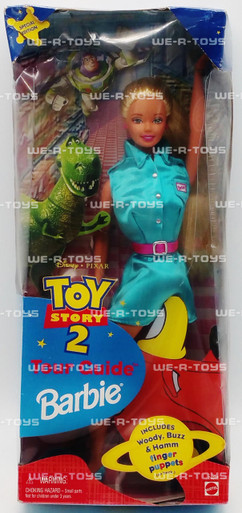
Barbie's Cinematic Evolution: From Al's Toy Barn Tour Guide to Brave Leader in Toy Story
The iconic Mattel doll, Barbie, has graced toy aisles and playrooms for decades, but her journey took an extraordinary animated turn in Pixar's beloved Toy Story franchise. Far from being just a fashion icon, Barbie from Toy Story evolves from a spirited, if somewhat superficial, tour guide into an intelligent, determined, and truly brave leader. Her appearances in Toy Story 2 and especially Toy Story 3 not only added layers of humor and heart to the films but also redefined what audiences expected from this beloved plastic figure.
Initially, Mattel had been reluctant to allow Barbie's inclusion in the first Toy Story film, a decision that, in hindsight, allowed the filmmakers to introduce her with even greater impact later on. Her eventual debut marked a significant moment, showcasing her capacity for growth and demonstrating how even supporting characters can leave an indelible mark on a narrative. This article delves into the fascinating trajectory of Barbie from Toy Story, exploring her origins, her pivotal role in the series, and her lasting cultural impact.
Barbie's Grand Entrance: From Mattel Icon to Al's Toy Barn Guide
Barbie first appeared in the Toy Story universe in Toy Story 2, bringing a distinct flair and much-needed female presence to the ensemble cast. Her introduction was a strategic move, allowing Pixar to expand the toy world and tap into a widely recognized brand. Voiced by the immensely talented Jodi Benson, celebrated for her iconic role as Ariel in Disney's The Little Mermaid, Barbie immediately captivated audiences with her energetic personality and familiar charm. Benson's vocal performance imbued Barbie with a cheerful optimism and an underlying sincerity that would prove crucial for her future character development. For more insights into her voice work and design, explore Beyond Ariel: The Voice, Design & Impact of Toy Story's Barbie.
In Toy Story 2, Barbie from Toy Story takes on the amusing role of a highly enthusiastic, if somewhat overwhelming, tour guide for the many Barbie dolls held captive in Al's Toy Barn. Dressed as a 1992 Great Shape Barbie, complete with her signature blue leotard and leg warmers, she embodies the fitness craze of the era. This portrayal cleverly satirized the sheer volume and often repetitive nature of Barbie doll collections while simultaneously making her a valuable source of information for Woody, Buzz, and the gang. Her character, though seemingly a comedic relief, offered glimpses of her inherent helpfulness and a readiness to engage with the world around her, setting the stage for the remarkable journey she would undertake in the subsequent film.
Embracing Leadership: Barbie's Pivotal Role in Toy Story 3
It was in Toy Story 3 that Barbie from Toy Story truly stepped into the spotlight, shedding her initial guise as a mere comedic character to reveal profound depths of intelligence, bravery, and leadership. Her expanded role allowed for significant character development, transforming her into an indispensable member of Andy's toys, navigating the perils of Sunnyside Daycare and the tyranny of Lotso Huggin' Bear.
Central to her arc in Toy Story 3 is her hilarious and complicated relationship with Ken, voiced brilliantly by Michael Keaton. Their love for fashion and style becomes a recurring motif, notably showcased in their memorable fashion show scene, which not only provides laugh-out-loud moments but also highlights their playful personalities. While their initial romance adds a layer of light-hearted comedy, it’s the dramatic breakup and eventual reconciliation that truly allows Barbie to shine. Their relationship, initially based on superficial charm, evolves into one of mutual respect and partnership.
Inspired by the 1983 Great Shape Barbie, her design in Toy Story 3 reinforced her sporty and energetic persona, perfectly aligning with her proactive role. However, it was her confrontation with Lotso's henchmen that solidified her transformation into a brave leader. Facing intimidating odds, Barbie delivers a powerful, articulate speech, meticulously exposing Lotso's deceitful nature and rallying the other toys. This moment is a masterclass in subverting expectations, proving that she is far more than "just a pretty face." Her intelligence and courage in the face of adversity were instrumental in the toys' escape, earning her the respect of her peers and the audience alike. To delve deeper into her strategic thinking and relationship dynamics, check out Toy Story 3's Barbie: Unpacking Her Leadership, Style & Ken.
Barbie’s journey from a fashion-obsessed doll to a strategic mastermind and brave voice of reason is a testament to the film’s clever writing, offering a valuable lesson that true strength and leadership can come from unexpected places. She consistently demonstrates that empathy, wit, and conviction are far more powerful than physical stature or superficial charm.
Beyond the Plastic: The Art and Impact of Toy Story's Barbie
Bringing Barbie from Toy Story to life on the big screen was a significant undertaking for Pixar's animation team. Her design and animation presented unique challenges, demanding meticulous attention to detail to ensure she remained true to her Mattel origins while seamlessly integrating into the animated world of Toy Story. Her slender and flexible body required specialized rigging techniques, ensuring her movements were fluid and expressive. Animators collaborated closely with Mattel to capture the essence of the iconic doll, studying real Barbie dolls to replicate her distinctive movements and expressions accurately. Even her hair, notoriously difficult to animate realistically, required advanced simulation techniques to achieve that perfect, flowing look.
Beyond the technical prowess, Barbie's extensive wardrobe in Toy Story 3—boasting over 16 meticulously designed outfits—further highlighted her character's depth and versatility, reflecting her various roles from fashionista to infiltrator. This attention to detail ensured that every facet of her persona, from her clothes to her gestures, contributed to her evolving narrative.
Barbie's appearance in the Toy Story franchise has had a profound and lasting impact on pop culture. It revitalized public perception of the doll, showcasing her as a character capable of agency, intelligence, and genuine heroism. She became a powerful symbol of empowerment within the *Toy Story* narrative, demonstrating that seemingly "frivolous" toys could possess incredible courage and contribute significantly to a larger cause. Her journey resonated with audiences, challenging stereotypes and celebrating the idea that every toy, regardless of its original design or purpose, has a vital role to play and the potential for extraordinary growth. Barbie from Toy Story proved that she was not just a product of consumerism but a character brimming with personality and purpose, inspiring countless fans and leaving an indelible mark on animated cinema.
Conclusion
The journey of Barbie from Toy Story is a remarkable testament to character development and the power of animation to redefine cultural icons. From her initial portrayal as an energetic tour guide in Al's Toy Barn in Toy Story 2 to her transformation into a quick-witted, brave leader in Toy Story 3, Barbie proved herself to be far more than just a pretty face. Through her memorable interactions with Ken, her pivotal speech against Lotso, and the meticulous animation that brought her to life, she became an indispensable and beloved member of the Toy Story ensemble. Her story serves as an inspiring reminder that courage, intelligence, and leadership can emerge from the most unexpected places, solidifying her legacy as one of the franchise's most impactful and endearing characters.