Beyond Ariel: The Voice, Design & Impact of Toy Story's Barbie
When we think of iconic characters brought to life by legendary voice actors, many minds jump to Ariel, the spirited mermaid from Disney's The Little Mermaid. But what if we told you the same enchanting voice also gave life to one of Pixar's most surprisingly complex and beloved characters? We're talking about none other than Barbie from Toy Story, a character who transcended her plastic origins to become a pivotal, funny, and fiercely independent figure in the acclaimed franchise. Far from being a mere accessory, Barbie's journey through the world of Woody and Buzz Lightyear showcases a remarkable evolution in design, personality, and impact.
From her energetic debut as a tour guide to her pivotal role as a determined leader, Barbie's presence in the Toy Story universe offered depth, humor, and a fresh perspective on the classic Mattel doll. Her inclusion was a significant moment, marking a bold step for both Pixar and Mattel, proving that even a global fashion icon could find new dimensions on the big screen.
The Unconventional Debut of Barbie from Toy Story
Barbie's path to the silver screen was not straightforward. While Pixar had initially sought to include the iconic doll in the very first Toy Story film, Mattel, her creator, famously declined, wary of how their prized asset would be portrayed. This initial hesitation, however, paved the way for a more impactful and memorable introduction when Barbie from Toy Story finally made her debut in Toy Story 2.
- A Strategic Entry: Her first appearance was not as a main character, but as a wonderfully energetic tour guide at Al's Toy Barn. This allowed her to be integrated into the existing ensemble without overshadowing the core plot, while still hinting at her potential for greater things.
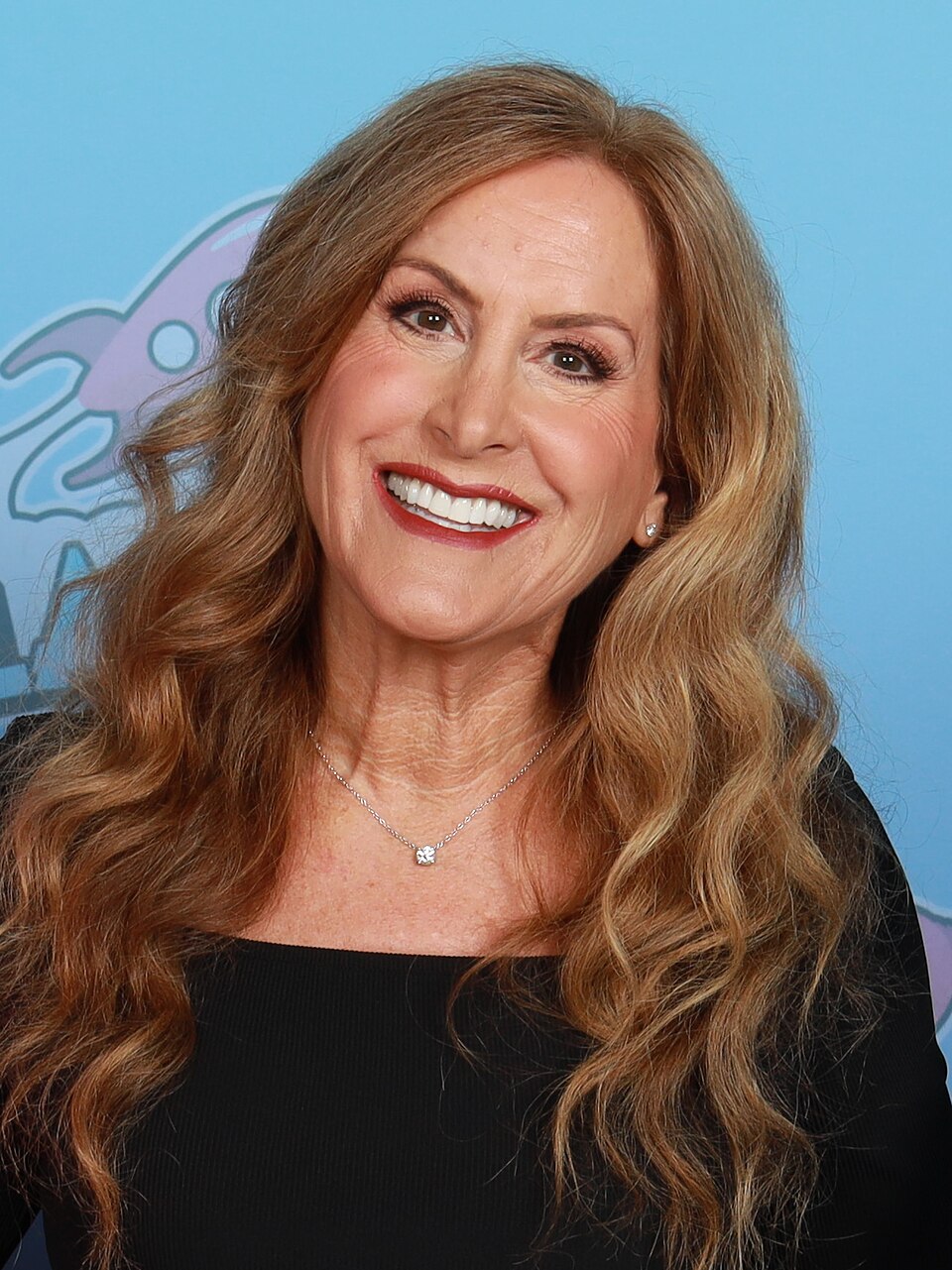
- The Voice Behind the Doll: Giving Barbie her distinct persona was the brilliant casting of Jodi Benson. Benson, already etched into cinematic history as the voice of Ariel, brought a familiar warmth and effervescence to Barbie, instantly making her approachable and endearing to audiences. This connection to a beloved Disney princess arguably lent Barbie an inherent likeability and a touch of magic from her very first line.
- A Nod to History: The design for Barbie in Toy Story 2 was specifically modeled after the 1992 Great Shape Barbie. This choice, featuring a vibrant blue leotard and leg warmers, perfectly captured the era's fitness craze and Barbie's enduring athletic appeal, making her immediately recognizable yet fresh within the animated world. It was a subtle detail that grounded her in her real-world lineage while allowing her to thrive in the fictional one.
Her introduction was a resounding success, proving that Barbie could indeed be a dynamic and engaging character within the ensemble. It set the stage for her much larger and more complex role in the subsequent film, showcasing Pixar's ability to take a globally recognized brand and infuse it with unique cinematic personality.
From Fashion Icon to Fearless Leader: Barbie's Evolution in Toy Story 3
While her appearance in Toy Story 2 was a delightful surprise, it was in Toy Story 3 that Barbie from Toy Story truly blossomed. Here, she moved beyond the role of a fun side character, showcasing remarkable character development, surprising leadership skills, and an unexpected depth that cemented her status as a fan favorite.
In Toy Story 3, Barbie finds herself entangled in the chaos of Sunnyside Daycare, where she quickly encounters her romantic counterpart, Ken, voiced by the charismatic Michael Keaton. Their initial whirlwind romance, characterized by hilariously over-the-top fashion shows and a shared love for style, provided much of the film's comedic relief. However, their relationship also offered unexpected dramatic turns, with a memorable "breakup and reconciliation" arc that highlighted Barbie's integrity and intelligence.
This iteration of Barbie was based on the 1983 Great Shape Barbie, subtly evolving her look while maintaining her energetic essence. But her true transformation was internal. When faced with the tyrannical rule of Lotso, Barbie demonstrates incredible bravery and strategic thinking. Her iconic speech to Lotso's henchmen, where she cleverly uses their own rules against them, is a pivotal moment. It's a powerful display of her intelligence and determination, proving unequivocally that she is far "more than just a pretty face." This scene not only highlights her courage but also her loyalty to her friends and her unwavering belief in justice.
Her journey in this film is a powerful narrative about breaking free from preconceived notions and embracing one's true potential. For a deeper dive into her journey of self-discovery and impact on the toys' fate, you can explore Toy Story 3's Barbie: Unpacking Her Leadership, Style & Ken.
Crafting the Icon: The Intricate Design and Animation of Barbie
Bringing a character as universally recognized as Barbie from Toy Story to life on screen presented a unique set of challenges and opportunities for Pixar's animation team. The goal was not just to replicate the doll's appearance, but to infuse her with lifelike movement and expression while respecting her inherent 'toy-ness'.
- Rigging and Flexibility: Barbie's signature slender and flexible body, while iconic, was a complex animation challenge. Animators had to devise unique rigging techniques to allow for her wide range of motion without making her appear unnaturally rubbery or stiff. This meticulous approach ensured she retained her characteristic grace while still feeling like a plastic doll.
- Authenticity Through Collaboration: To ensure every detail was perfect, Pixar worked closely with Mattel. This collaboration was crucial in maintaining the integrity of Barbie's design, from her facial features to her iconic hair and proportions. The result was a character that was instantly recognizable as Barbie, yet perfectly integrated into Pixar's distinct visual style.
- A Wardrobe for Every Occasion: In Toy Story 3, Barbie's character development was visually underscored by an impressive wardrobe. With over 16 different outfits, each meticulously designed, her clothes weren't just fashion statements but tools for storytelling, reflecting her various roles and emotional states throughout the film.
- Capturing the Essence: To nail her iconic movements and expressions, the design team went as far as studying real Barbie dolls. This observation helped them understand how a physical doll moves, how her joints bend, and how her static features could be animated to convey emotion and intent without losing her doll-like charm.
- The Hair Challenge: Barbie's flowing blonde hair, a defining feature, proved particularly difficult to animate. Achieving a realistic yet stylized look required advanced simulation techniques, ensuring her hair moved naturally with her, adding to her believability and visual appeal.
These behind-the-scenes efforts highlight the dedication and artistry involved in making Barbie from Toy Story not just a character, but a triumph of animation that resonated deeply with audiences.
Beyond the Screen: The Enduring Cultural Impact of Barbie from Toy Story
The appearance of Barbie from Toy Story in the Pixar franchise did more than just entertain; it significantly impacted pop culture perceptions of the doll herself. For decades, Barbie had been a symbol of fashion and glamour, often facing criticism for reinforcing narrow ideals. The Toy Story films, however, presented a refreshing and multi-dimensional portrayal.
Her character arc, particularly in Toy Story 3, resonated deeply because it showed a Barbie who was intelligent, brave, loyal, and capable of leadership. She wasn't just Ken's love interest or a pretty face; she was a strategic thinker who actively participated in saving her friends. This portrayal helped to:
- Subvert Stereotypes: Barbie's journey challenged preconceived notions about what a "Barbie doll" could be, proving that the character could embody strength, wit, and resilience alongside her undeniable style.
- Inspire New Generations: For many children, and even adults, Barbie from Toy Story introduced a version of the doll that was an active agent of change, a role model whose intelligence and courage were just as important as her fashion sense.
- Cement Her Cinematic Legacy: Her memorable lines, hilarious antics with Ken, and pivotal heroic moments firmly cemented her place in animated film history, making her an indispensable part of the Toy Story legacy.
- Expand the Brand's Appeal: The films undoubtedly broadened Barbie's appeal, reaching new audiences who might not have engaged with the doll otherwise, showcasing her timeless charm and adaptability.
Her journey from a hesitant debut to a brave leader is a testament to the power of character development and storytelling. For a detailed look at her complete transformation, you can revisit Barbie's Journey in Toy Story: From Tour Guide to Brave Leader.
In conclusion, Barbie from Toy Story is far more than just a supporting character or a clever brand integration. Through meticulous design, spirited voice acting by Jodi Benson, and a brilliantly crafted character arc, she evolved from a symbol of fashion into a symbol of courage, intelligence, and unwavering loyalty. Her impact on the Toy Story franchise and popular culture is undeniable, demonstrating that even the most established icons can be reimagined to inspire, entertain, and remind us all that true character comes from within, regardless of whether you're made of plastic or flesh and blood.